IT SECURITY STRATEGY
At Divergent IT, we see firsthand how quickly cybersecurity threats continue to evolve. That’s why we work alongside our clients to help them stay prepared, protected, and ready to adapt as the landscape changes.
Our cybersecurity strategy is built on resilience, not reaction. We assist organizations secure identities, protect data, embrace AI responsibly, and recover from disruptions—because real security isn’t about avoiding every threat; it’s about staying strong when challenges arise.
Divergent IT builds resilient systems designed to recover from attacks or equipment failure.


DIVERGENT IT CAN HELP YOUR BUSINESS:
- Conduct an audit to test networks, applications, and mobile devices and thoroughly assess vulnerabilities.
- Develop a strategy that fits your organization’s requirements.
- Assess the security of your cloud application services
- Implement multi-layered security technology and protocols on all your devices and end points
- Create and enforce security policies for mobile devices
- Educate employees about security best practices
- Encrypt your data
- Adopt AI Responsibly
Frequently Asked Questions

Zero Trust security is a cybersecurity strategy built in one simple principle: Never Trust. Always Verify. At Divergent IT we assume no user, device, or application should be trusted automatically. Every access request is verified, monitored, and limited to only what’s needed, helping organizations reduce risk, protect sensitive data, and stay resilient against evolving cyber threats.
The goal is to reduce the likelihood of a successful attack and limit the damage if one occurs. The best way to prevent ransomware is to combine strong security controls with cyber resilience. Train employees to recognize threats, enable multi-factor authentication, keep systems updated, limit access to sensitive data, and maintain reliable backups. Because while no organization can eliminate every threat, a prepared organization can detect attacks faster, minimize their impact, and recover with confidence.
Assuming incidents will happen, and designing your people, systems, and processes to absorb, recover, and learn quickly. Not by chasing every threat.
A cyber resilience strategy is a business-focused plan that helps an organization prepare for, withstand, respond to, and recover from cyber incidents while continuing to operate. Rather than focusing only on prevention, cyber resilience assumes that some threats may succeed and emphasizes minimizing disruption and accelerating recovery.
It depends on how prepared the business is before the attack occurs. Recovery can range from hours to months, depending on the severity of the attack, the quality of backups, the effectiveness of the response plan, and how quickly the incident is detected. Organizations with a strong cyber resilience strategy are specifically designed to recover faster.
Recovery-first security isn’t about asking, “Can we stop every attack?” It’s about asking, “If something happens tomorrow, how quickly can we recover?” The answer to that question often determines the true resilience of a business.
Cyber resilience helps SMBs minimize downtime, protect customer trust, reduce financial impact, and recover quickly from cyber incidents. It ensures the business can continue operating even when disruptions occur.
Cybersecurity protects your business from threats. Cyber resilience protects your business when threats get through. The strongest organizations invest in both. Think of it this way: Cybersecurity builds the walls. Cyber resilience creates the recovery plan if the walls are breached.
Employee cybersecurity training helps businesses reduce human error, identify cyber threats faster, and strengthen their overall security posture. Trained employees are often the first line of defense against phishing, ransomware, and social engineering attacks.
DATA BREACHES
95%
HUMAN ERROR
43%
SMALL-BUSINESS TARGETS
61%
SMBS BREACHED
IT SECURITY THREATS
Divergent IT enables organizations to quickly assess any and all threats (both internal and external) and find that fine balance between giving users all they need to maximize productivity, while keeping them and the entire business safe from cybercriminals, ransomware, phishing, and email compromise attacks.
Today’s threats include:
Today’s Threats Are Smarter, Faster, and More Personal Than Ever.
- AI Phishing
- Deepfake Scams
- Ransomware
- Supply Chain Attacks
- Zero-Day Exploits
- Cloud Breaches
- AI Data Leakage
Protect your company
Cybercrime is a part of our daily lives, but reports reveal that many companies are not properly protected or ready for a significant attack.
Is your cybersecurity strategy keeping pace with today’s threats?
WHO IS AT RISK
Modern cyberattacks are increasingly focused on small and midsize businesses, making cybersecurity and cyber resilience critical for long-term business success.
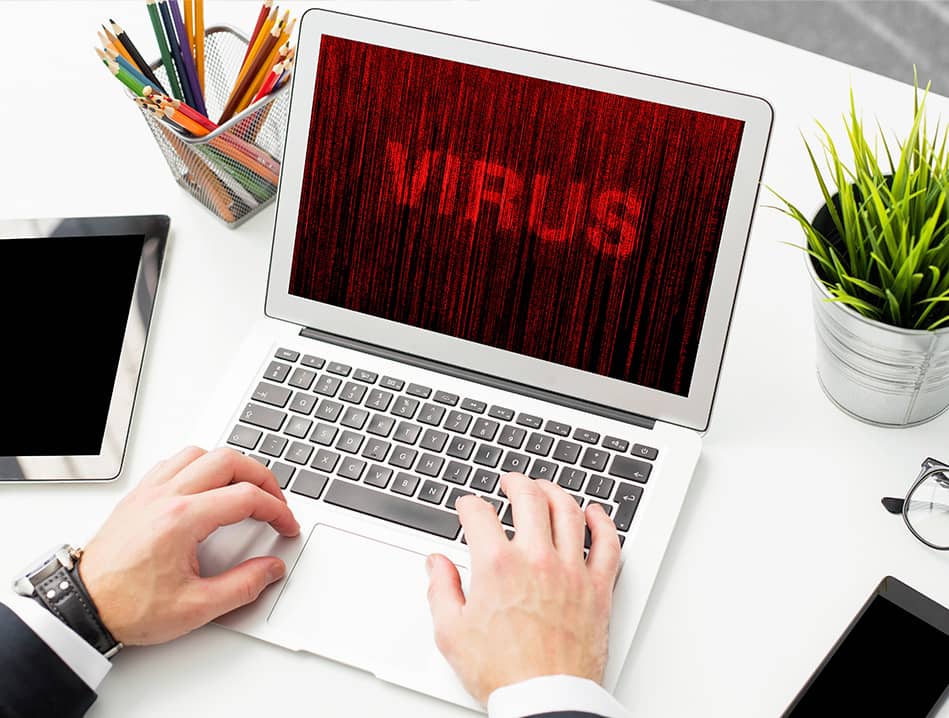
The biggest IT security risks are the ones your business doesn’t know about or see coming.
In our experience basic security measures are no longer enough. Today’s threats are faster, smarter, and more targeted than ever. Divergent IT delivers a comprehensive cybersecurity strategy that goes beyond traditional defenses to help protect your business, reduce risk, and strengthen cyber resilience.
Don’t let analysis paralysis due to a lack of knowledge expose you to an attack.